17–18 Mar
Arrival and orientation
Welcome, settling in, group briefing, practical orientation and the first introduction to Ouagadougou.
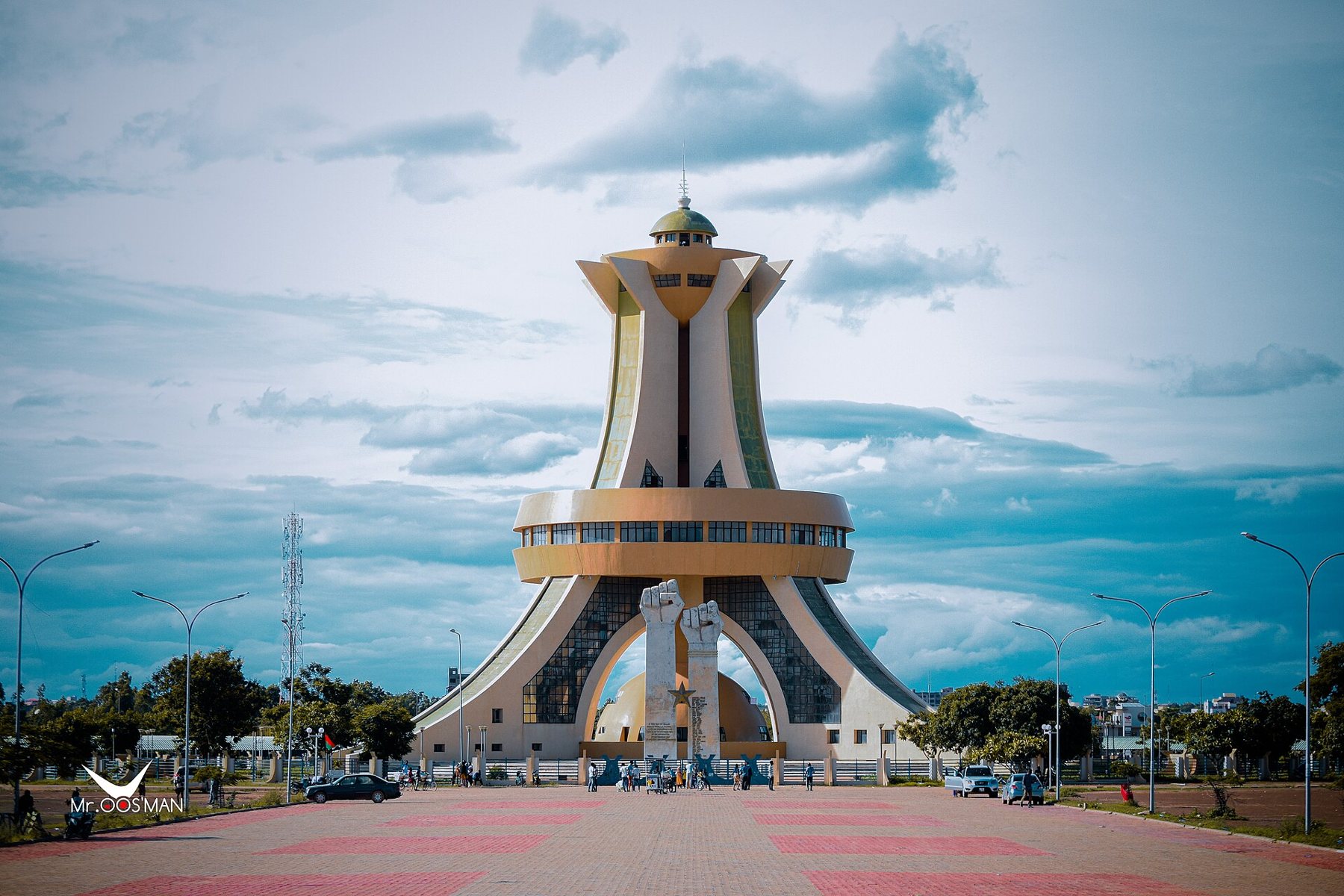
Your visitor information hub for 17 March–1 April 2027. Explore where you can stay, what is on the programme and how to prepare, whether you are already registered or considering joining.
The programme runs from 17 March to 1 April 2027. The trip has been accepted and registration is open. The route combines national history, cultural exchange, community life, local enterprise and time to understand what long-term connection might mean for you.
 17 Mar
The outline below is provisional. Bobo-Dioulasso / Samendeni is a new programme addition; its visit date, transfer arrangements and any adjustments to these days are to be confirmed by the team after route and safety review.
Welcome, settling in, group briefing, practical orientation and the first introduction to Ouagadougou.
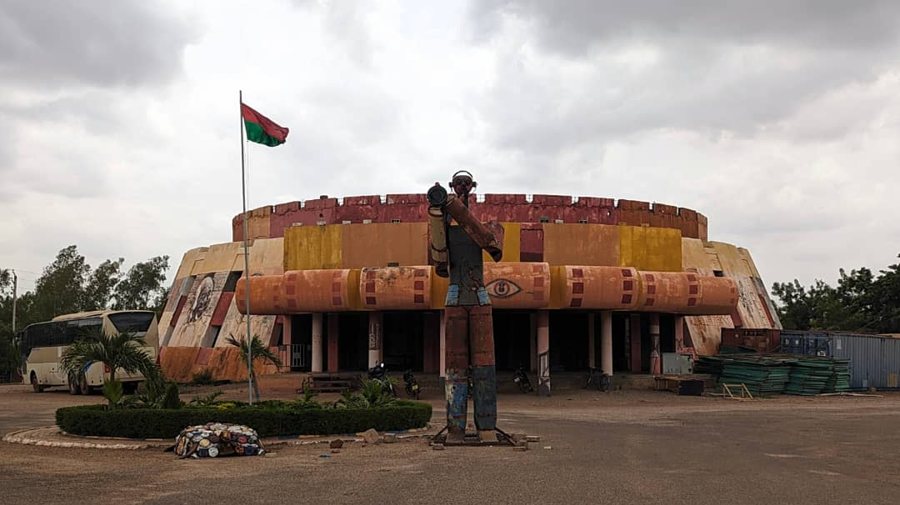
National landmarks, cultural spaces, community encounters, political education and city life.
Local hosting, agriculture, tradition, everyday exchange and a different pace of Burkinabè life.
Markets, enterprise, community connection and conversations about investment and future pathways.
Final meetings, individual next steps, closing moments and supported preparation for the journey home.
A planned regional visit to explore the Diaspora Village vision, agriculture and development opportunities. Discover the new destination. This is part of the existing trip period, not an additional confirmed travel day.
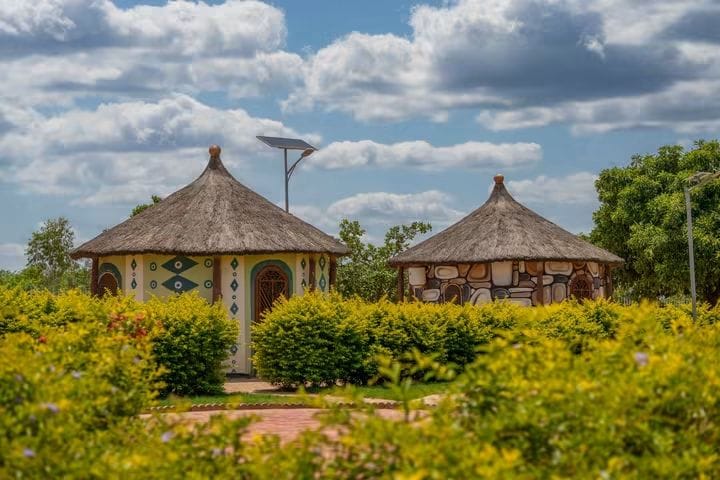
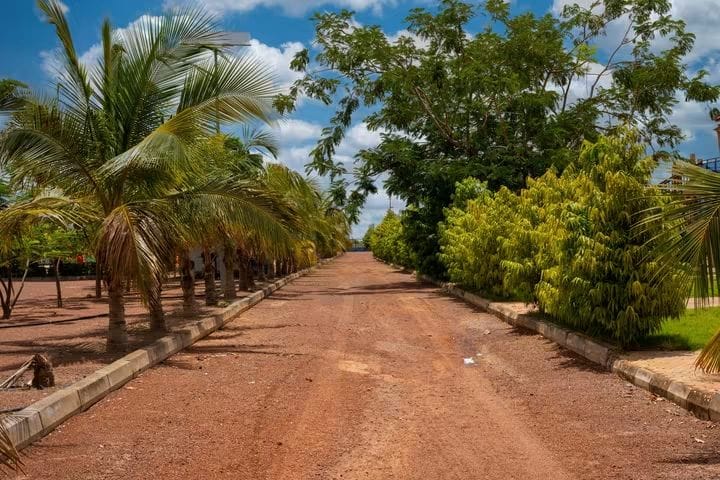
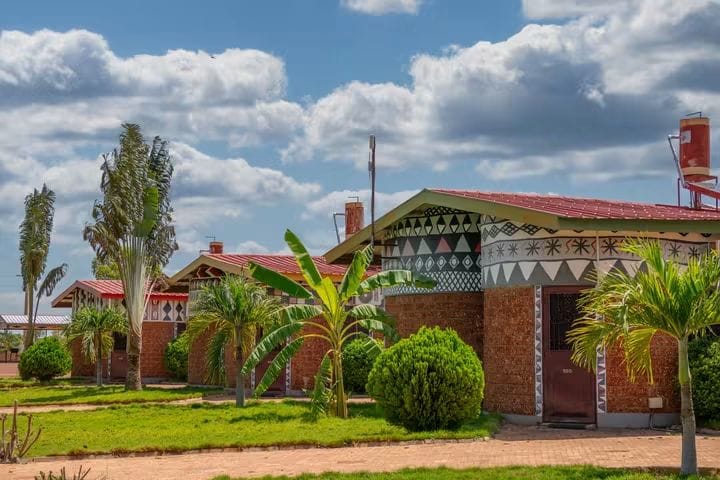
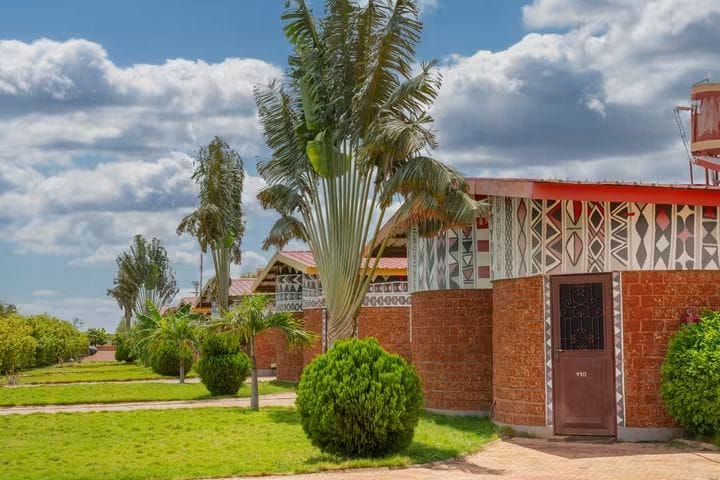
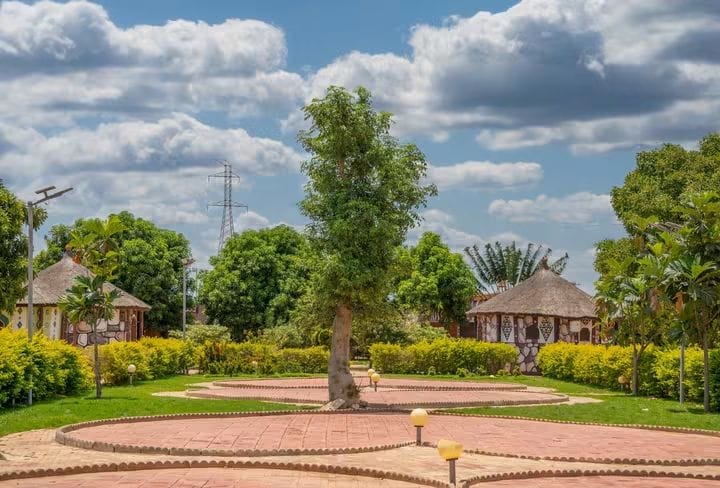
A quieter, traditional setting or a modern villa in the capital: get a feel for the accommodation options through the photographs supplied by the organisers. Your allocated property, address, room type and facilities are confirmed individually before departure.
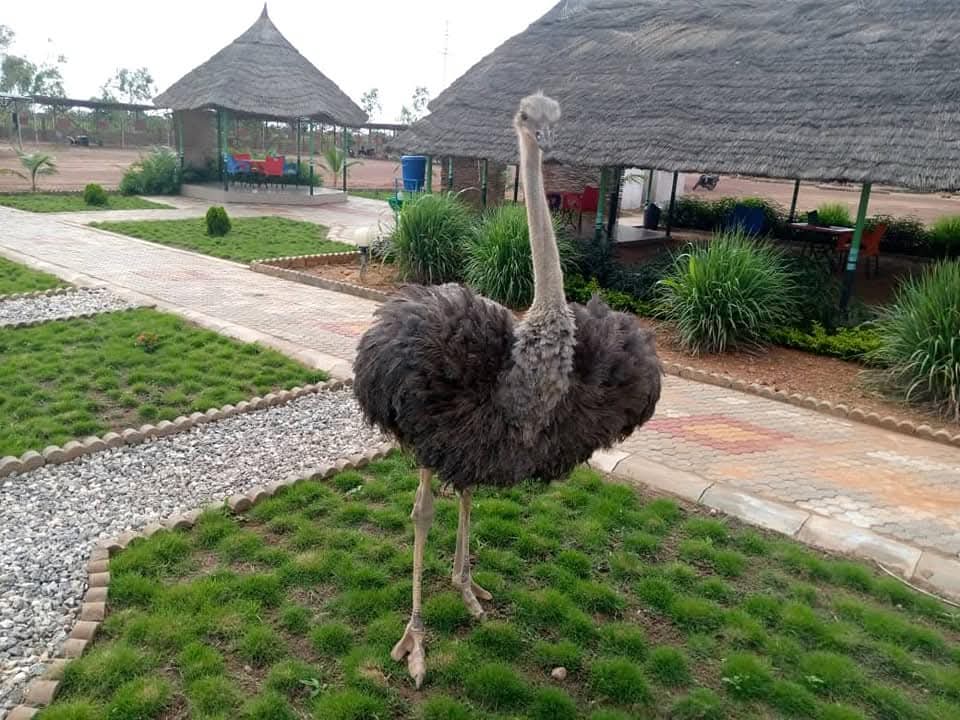
Thatched-style lodges, planted courtyards and garden paths offer a peaceful atmosphere with a strong sense of place. These options suit visitors who value outdoor surroundings, a more traditional setting and time to unwind between programme activities.
The supplied views show landscaped grounds and local architectural character. Ask the team for the exact location, room comfort, bathroom arrangements and transfer time; these can vary between properties.
Modern villa options focus on comfortable city living in convenient areas of Ouagadougou, including Ouaga 2000, Patte d’Oie and suitable surrounding neighbourhoods. Furnished living spaces and bedrooms give you room to rest and reconnect after a day on the programme.
These locations provide a practical base for access to city services and programme meeting points. The team confirms each property’s address, transport access, security arrangements and modern amenities. A convenient location is not a guarantee of safety.
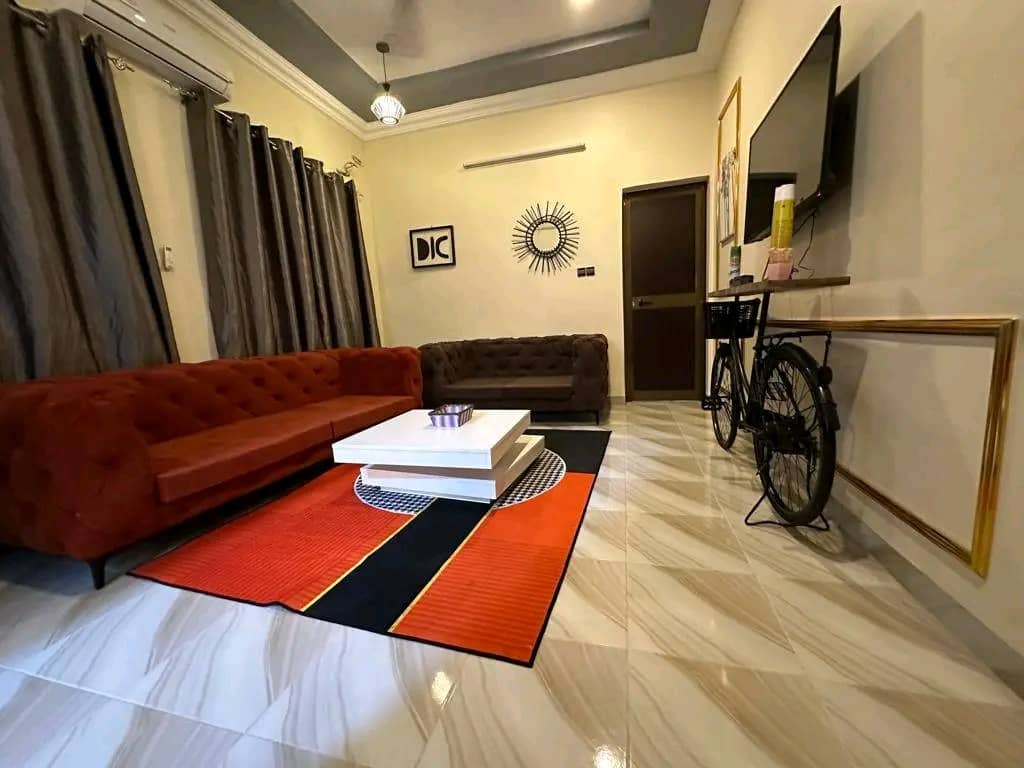
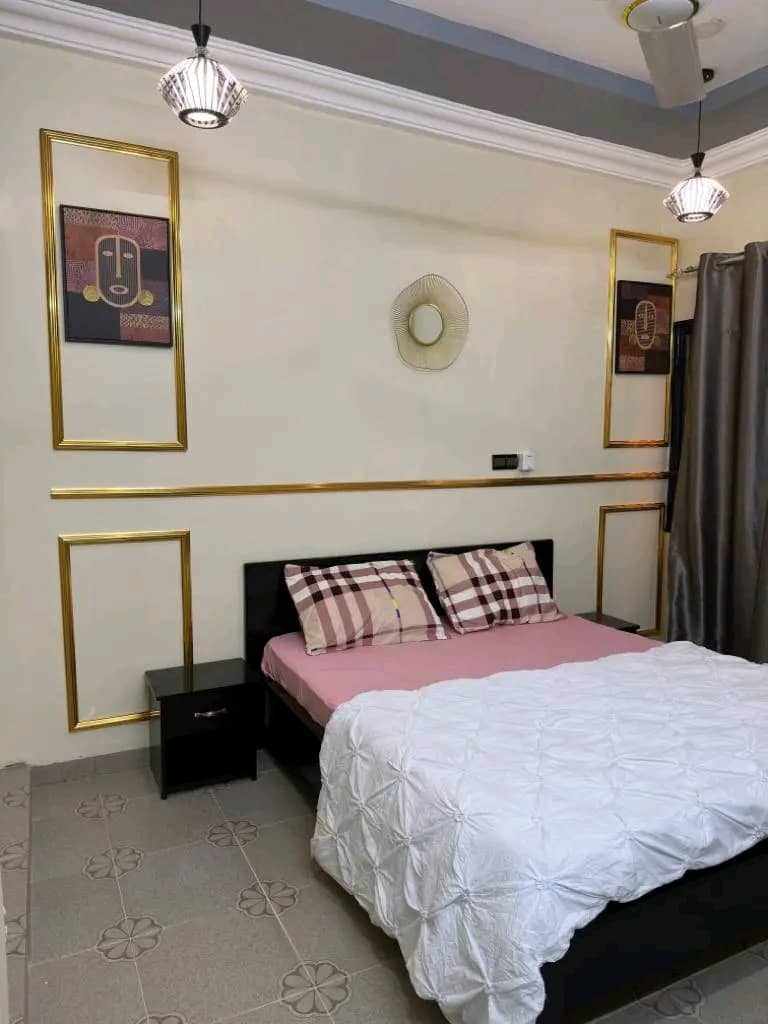
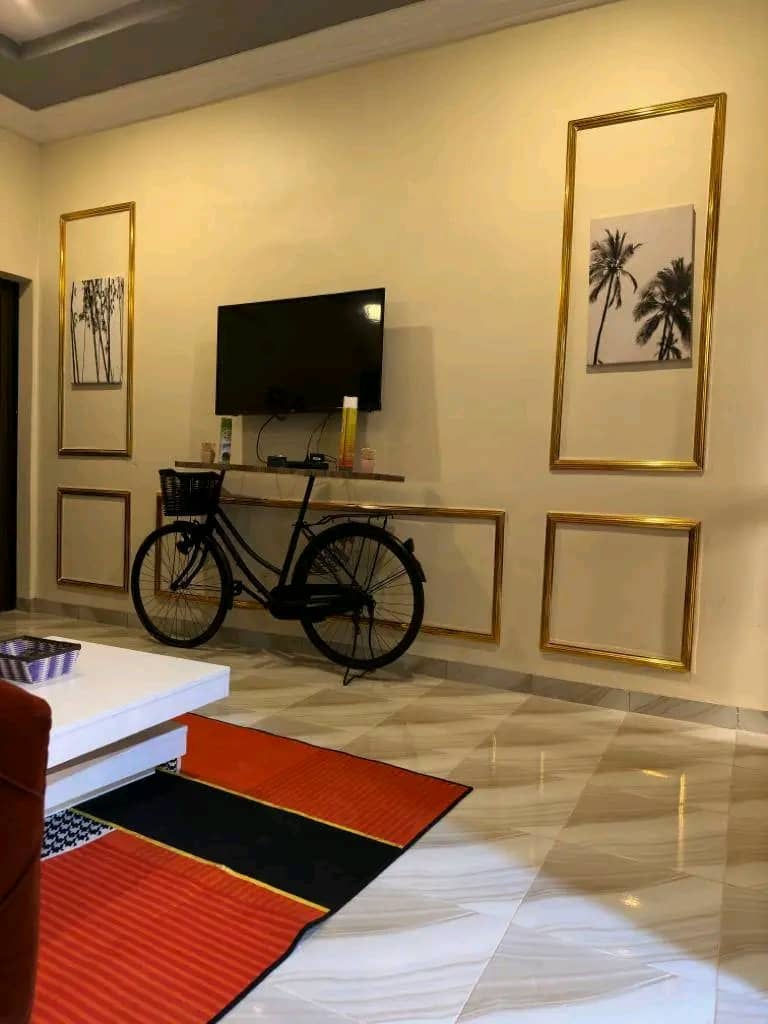
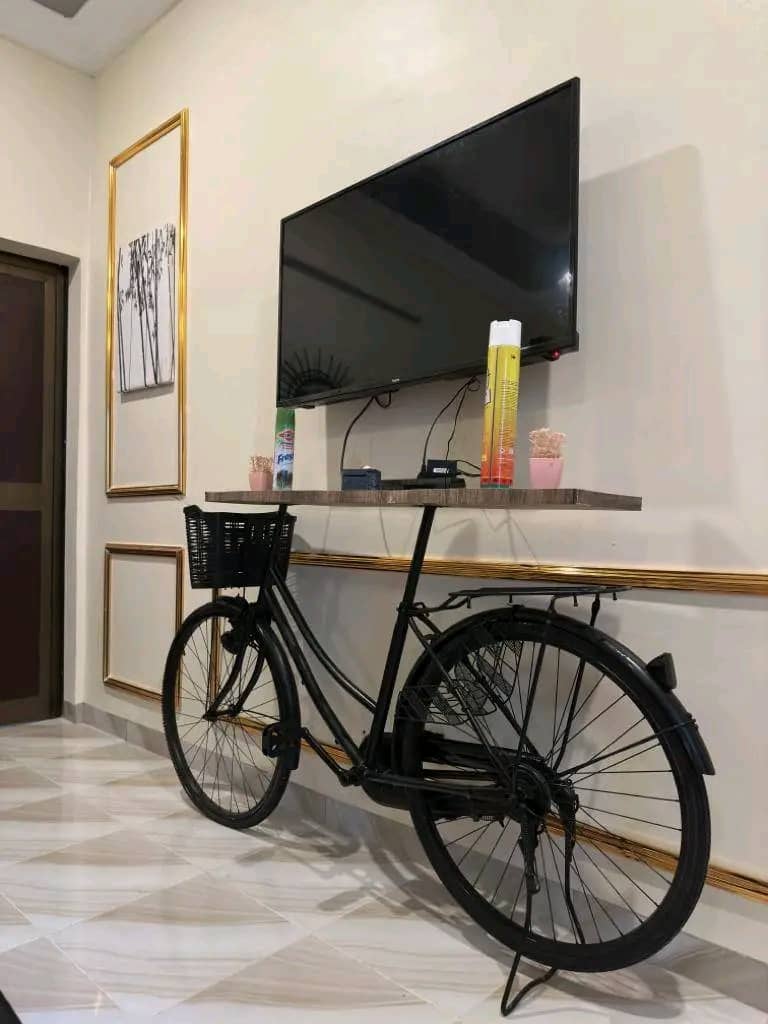
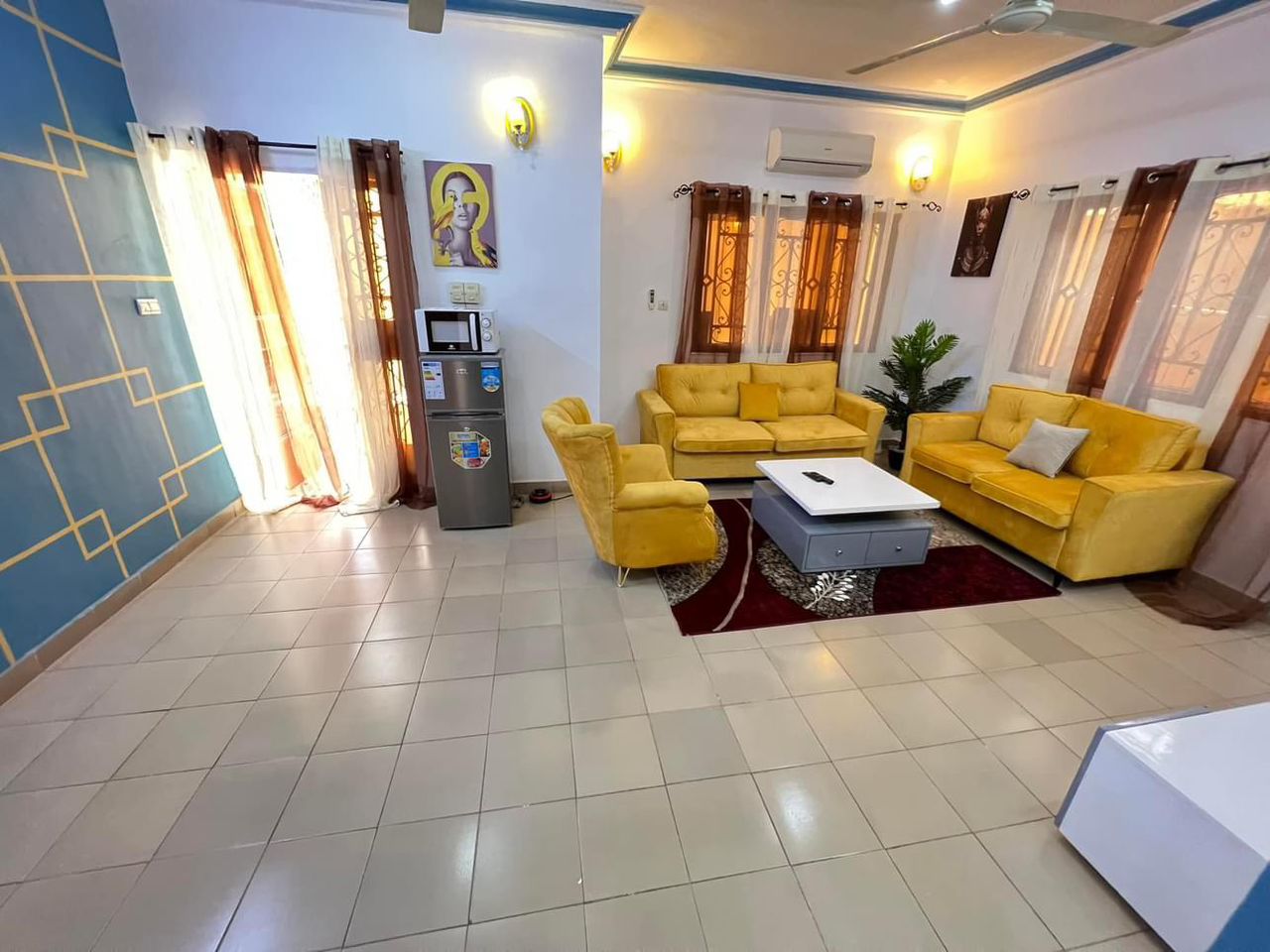
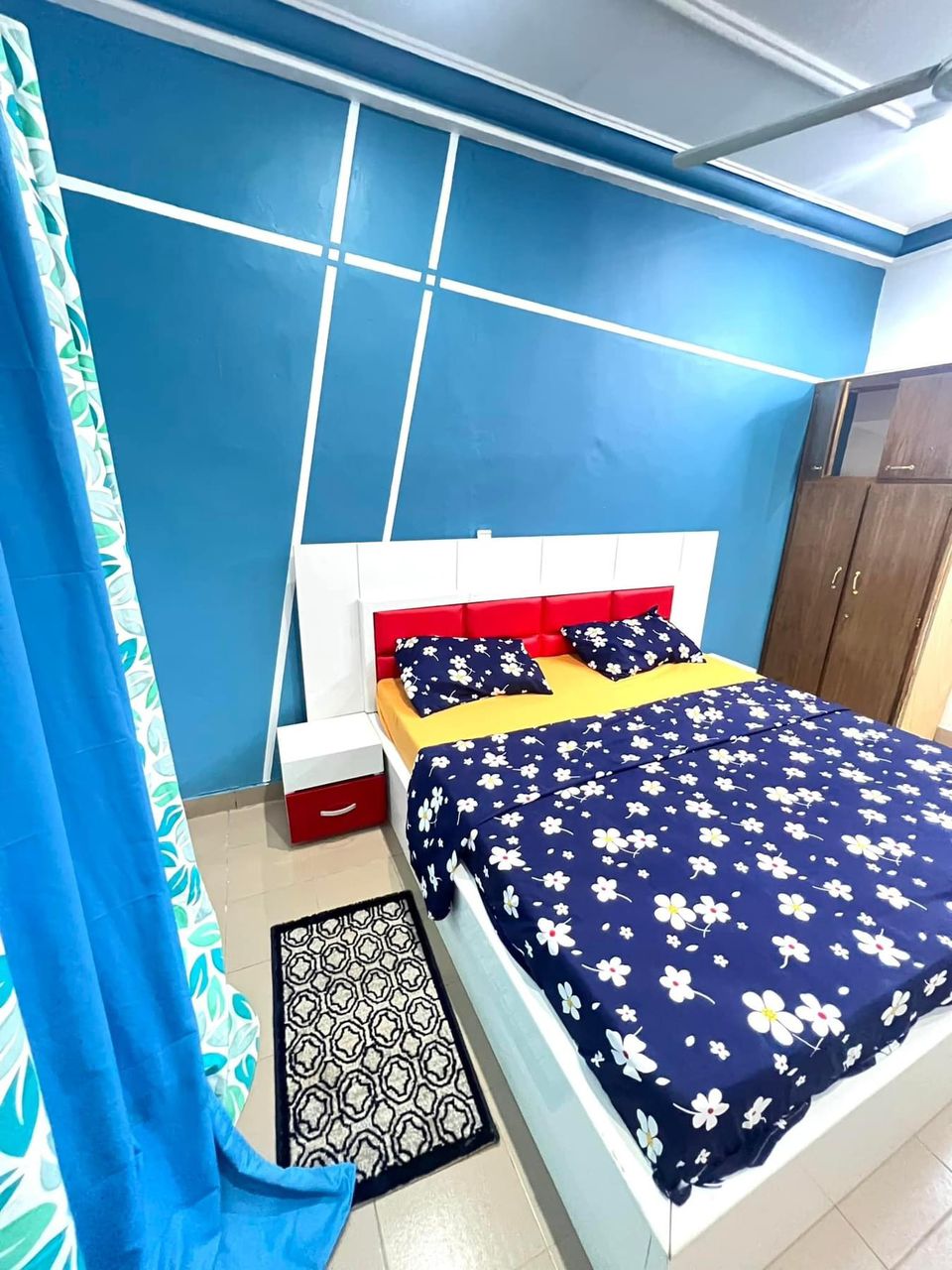
Supplied photographs show outdoor leisure spaces, including a swimming pool, and evening views of the grounds. These belong to the options pictured; they are not guaranteed at every property or included in every room allocation.
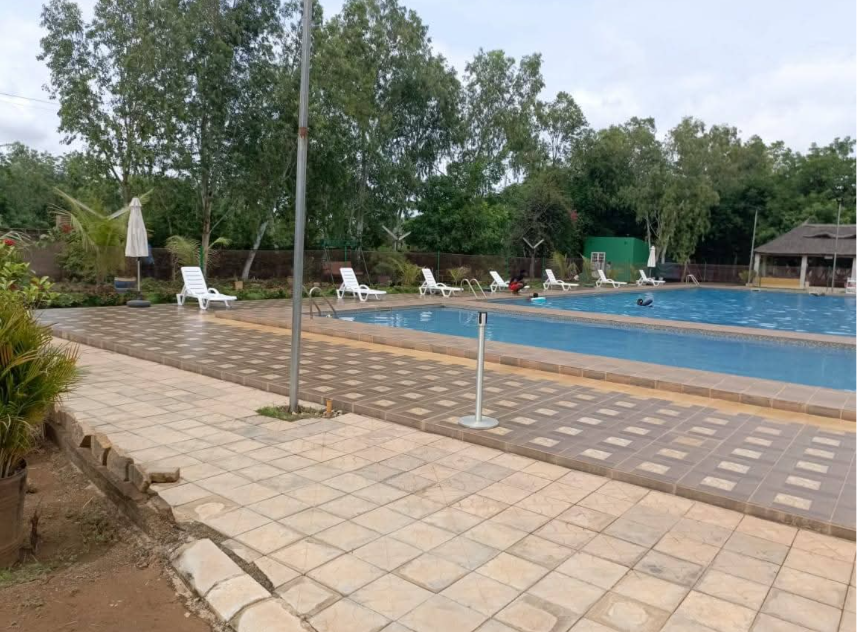
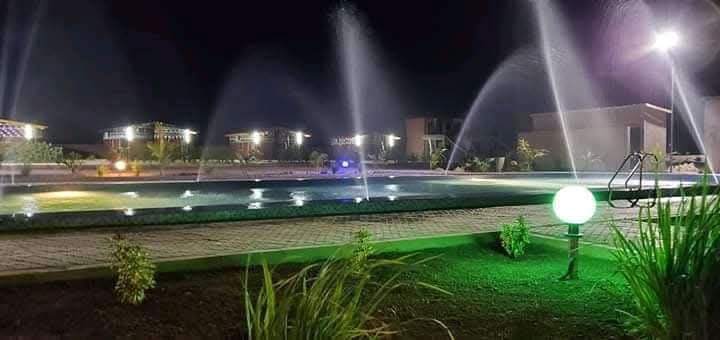
Explore the organiser-supplied photographs in full. Your room, property location and facilities are confirmed with the team.
The programme now includes a planned journey to Bobo-Dioulasso and the Samendeni area: an opportunity to discover the region and understand the vision behind the Diaspora Village development.
Participants will have the opportunity to see the area and discuss its potential with the programme team, subject to access, route and safety confirmation. The visit date and regional travel arrangements are not yet finalised.
The organisers describe approximately 3,000 hectares being planned and managed for agriculture and agrobusiness. The ambition is to create opportunities for diaspora investment, farming, entrepreneurship and sustainable economic development.
The visit is a chance to understand the proposal, ask questions and explore possible involvement—not a commitment to invest or a promise of returns.
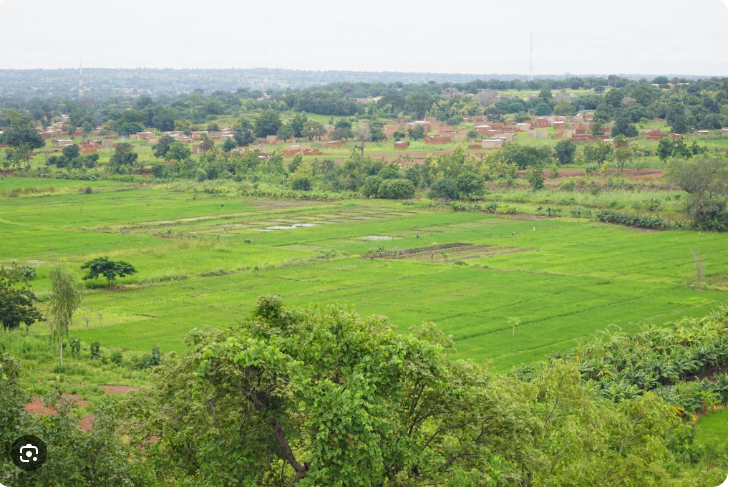
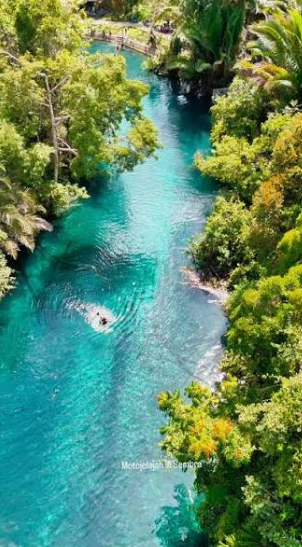
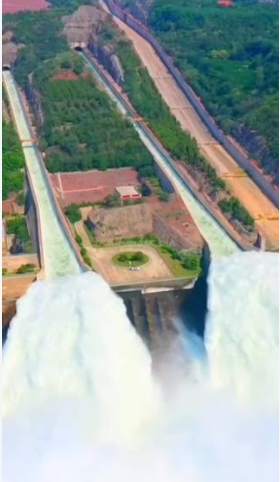
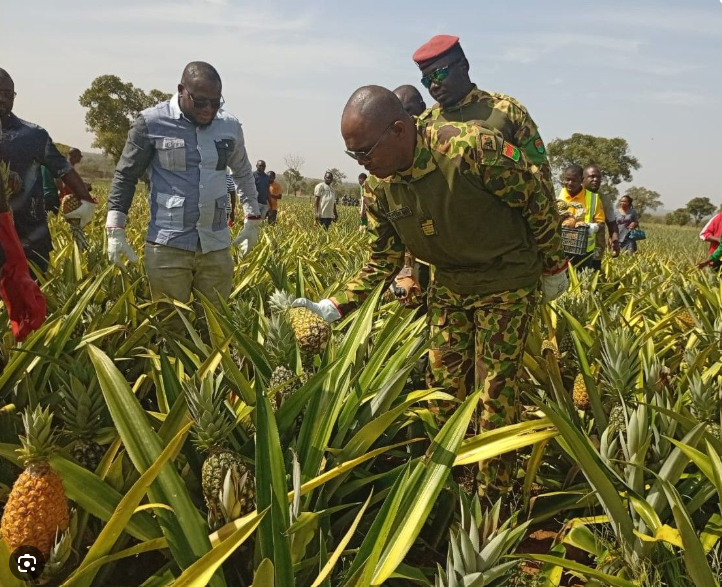
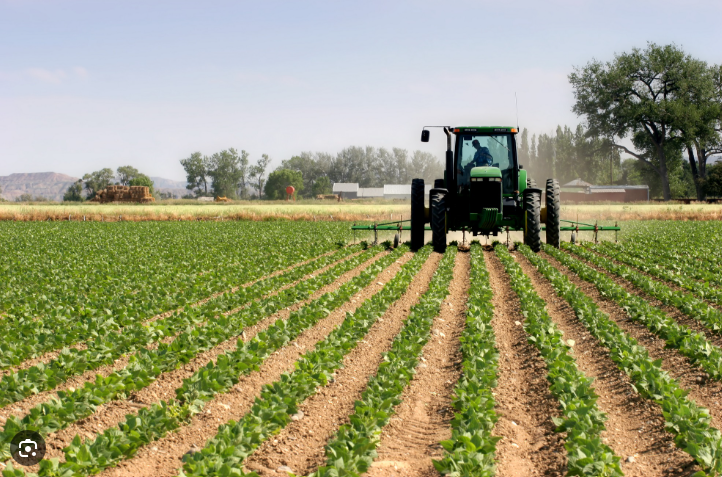
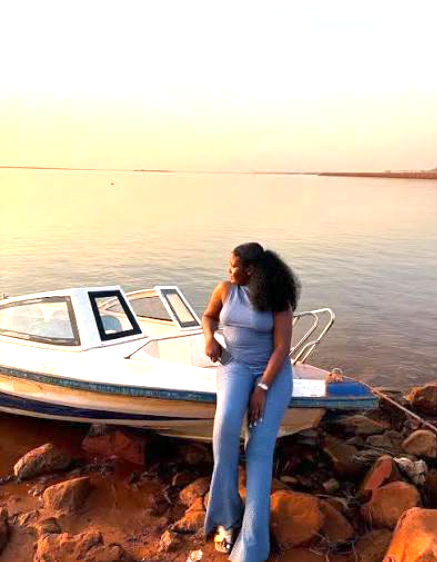
Discovery first, due diligence always. Obtain independent legal and financial advice before any land purchase or investment. Programme participation does not confer land ownership or investment rights.
Practical essentials for our March–April 2027 programme. Use these as a starting point, then check official advice and your personal requirements again before departure. Expand each topic for more detail.
17 March–1 April falls in the hot, generally dry season. Plan for daytime temperatures often around 35–40°C or higher, warm nights and possible dusty conditions. This is seasonal guidance, not a forecast for the trip; check a forecast shortly before leaving.
Burkina Faso uses the West African CFA franc (XOF), not the Central African CFA franc (XAF). The XOF is pegged to the euro at 655.957 XOF to €1; other exchange rates and fees vary.
French is widely used in everyday services and administration, alongside languages including Mooré and Dioula. Start with “Bonjour” and “Merci”, and ask local hosts which greeting is appropriate. Do not assume everyone speaks English.
The programme offers preparation in French and Mooré; see the pre-departure sessions. Ask the team about interpretation for your visits.
Burkina Faso uses GMT (UTC+0) all year, without daylight saving. Your home country may change clocks during the trip, so check your phone’s time-zone setting and confirm meeting times in local time.
Save the programme contacts offline and share your itinerary with someone at home.
Electricity is generally 220 V, 50 Hz, with type C and E sockets. Bring a suitable adapter and check that your devices accept this voltage; an adapter does not convert voltage.
Pack a charged power bank and a small torch. Power interruptions are possible. Check backup power and charging arrangements with your allocated accommodation, and follow your airline’s rules for carrying batteries.
Check roaming costs before departure. If you plan to use a local SIM, bring an unlocked handset and confirm registration requirements with the provider; identification may be required. Check eSIM support rather than assuming it is available.
Wi-Fi and mobile coverage vary by property and route. Download maps and documents for offline access, keep key numbers written down and avoid relying on continuous connectivity during regional visits.
Use the programme’s coordinated transport for organised visits. Ask the team to confirm airport pickup, your meeting point and the contact to use if your flight is delayed.
Expect opportunities to discover local cooking. Choose freshly prepared, thoroughly cooked food and sealed bottled or otherwise reliably treated drinking water. Avoid ice unless you know it is made with safe water; wash your hands before meals.
Breakfast is included in the published packages. Check other meal arrangements in the costs guide, and tell the team about allergies, vegetarian preferences or other dietary requirements before allocation. Do not assume every venue can accommodate them.
Take time to greet people, dress respectfully and follow your host’s guidance in community and religious settings. Ask permission before photographing people, especially children, and respect anyone who declines.
Do not photograph military sites, security personnel, checkpoints or sensitive government locations. Follow local laws, avoid demonstrations and sensitive political discussions in public, and ask your guide when unsure.
Arrange a travel-health consultation ideally 6–8 weeks before departure, or as soon as possible if travelling sooner. Discuss malaria prevention, routine and destination-specific vaccinations, heat, insect bites and your own medical needs with a qualified clinician.
Official entry guidance requires proof of yellow fever vaccination; ask a clinician about suitability and confirm how any medical exemption is handled before booking. Carry the original certificate where required.
Medical facilities are limited and serious illness may require evacuation. Confirm insurance explicitly covers Burkina Faso, your activities, existing conditions and medical evacuation despite any government travel warning. Read official health guidance (new tab).
Requirements depend on nationality and itinerary. Check passport validity, visa rules, transit requirements and health documents directly with the relevant Burkina Faso embassy or consulate. Do not assume visa-free entry or a visa on arrival.
Use the official Burkina Faso visa portal (new tab) and your consulate’s guidance. FCDO entry guidance (new tab) is written for British passport holders, not every nationality.
The team can support your preparation, but cannot guarantee visa approval. Keep copies of your documents, return flight, host contact and accommodation address; see programme document support.
Read the travel warning at the top of this page. Check your government’s current advice before registration, payment and departure. Conditions can change quickly and organised group travel does not eliminate risk.
Follow the team’s movement and check-in arrangements, avoid demonstrations, keep valuables discreet and have a personal emergency and departure plan. Confirm cancellation terms and insurance exclusions before committing. Locations and visits may change or be cancelled following safety review.
For an emergency, contact local emergency services and the programme’s on-trip coordinator, not just the general registration inbox. FCDO health guidance lists 18 for an ambulance in Ouagadougou; emergency response and access elsewhere may be limited.
Before departure, obtain and save your local coordinator’s number, nearest medical facility, insurer’s 24-hour assistance line and your embassy or consulate’s emergency contact. The programme’s local emergency contact is to be confirmed in the departure briefing.
Save the organisers’ published contacts. These are planning contacts and are not advertised as a 24-hour emergency service.
Practical guidance reviewed on 4 October 2026. Entry rules and safety advice can change before the March–April 2027 trip. Official sources take priority; this guide does not replace medical, legal or government travel advice.
Requirements vary by passport and nationality. The programme team coordinates the process and confirms the exact documents needed for each participant.
After registration, contact support@afropathglobal.co.uk to confirm which documents are needed and how to submit them securely. Use the official visa process; organiser support is not a guarantee of entry or approval.
Submit documents early. The programme’s working target is no later than 45 days before departure; official processing times may differ.
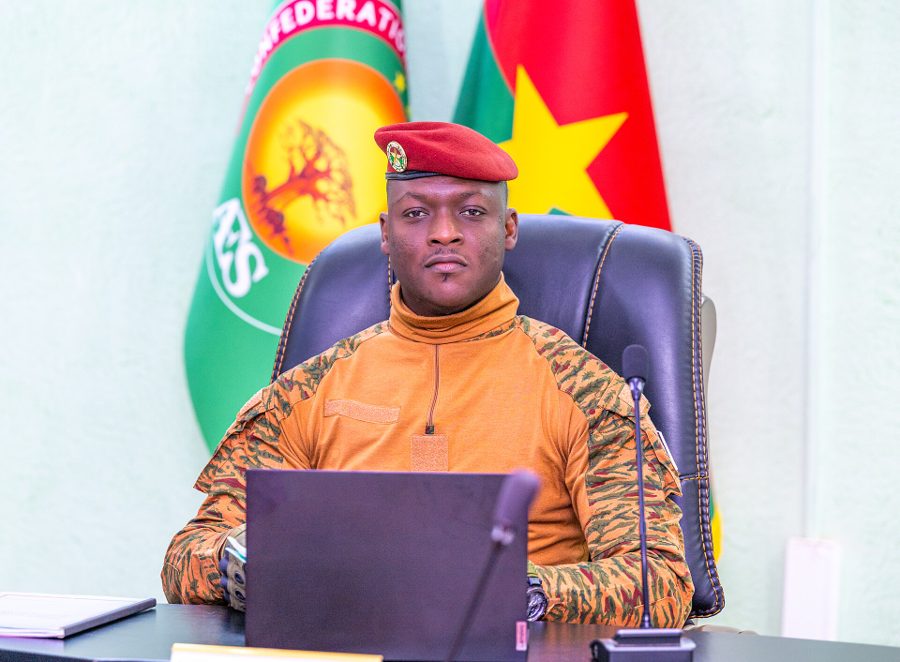
Locations, routes and programme activity are coordinated with local partners and reviewed as departure approaches. This support cannot guarantee safety or remove the serious risks described in official travel advice.
Check the FCDO travel warning (new tab) and your own government’s guidance. Obtain written confirmation of insurance cover for travel against official advice, where applicable, and make an informed personal decision before paying.
Build practical language for greetings, markets, transport and everyday conversation before departure.
Learn key words and phrases that communicate respect and open a more personal connection with local communities.
Optional sessions connect participants with musical language, collective timing and cultural practice.
Documents, packing, money, communication, cultural expectations and the final travel plan are reviewed together.
Families are welcome to register their interest. The team reviews ages, room arrangements, travel documents and activity suitability before confirming the booking.
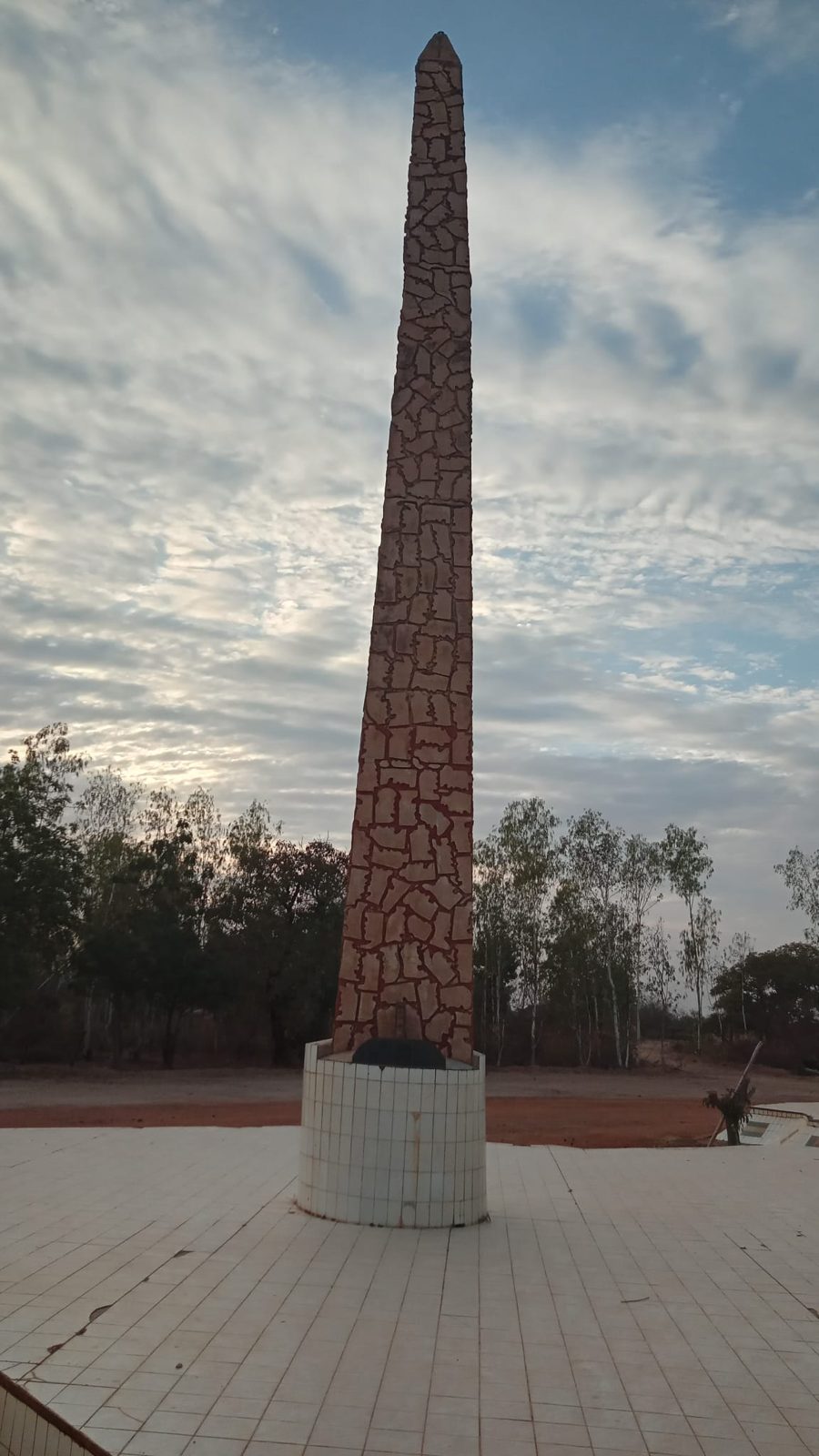
For accommodation, arrival arrangements, access needs and preparation, use the organisers’ published contacts. General enquiries are answered Mon–Sat, with a stated response window of 48 hours; these are not emergency-service numbers.
Save your local on-trip coordinator, medical facility, insurer and consular contacts separately once confirmed in the departure briefing.